
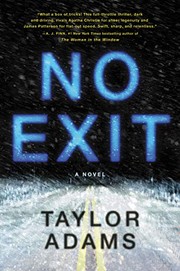
No Exit
2,680-word summary 12 min read 352 pages in the book
- First published
- 2017
- Publisher
- William Morrow
- Pages
- 352
- ISBN
- 9780062875655
Reading options
What's inside (8 sections)
I picked up No Exit because a friend kept telling me it was the kind of thriller you finish with the lights on and the doors locked. I had seen the title around for a while. I knew it was by Taylor Adams, first published in 2017, and I read the William Morrow 2019 edition, which runs 352 pages. I started it late one evening thinking I would read fifty pages and go to sleep. I did not sleep. I read the whole thing in two sittings with a blanket pulled up and my phone face down, because the setup got under my skin right away. A young woman alone. A snowstorm. A rest stop with no way out. And a child locked in the back of a van.
My copy moves fast. Short chapters. Plain sentences. A lot of cold air and bad decisions. I am fuzzy on some last names and small side details now, a few weeks later, so I will stick to the shape of it and the people as I remember them. The core stays clear. Darby Thorne is driving to reach her mother after a family emergency. Snow closes in. She pulls into a rest stop. She sees something she was not meant to see. Then she has to spend the night with four strangers, wondering which one of them is capable of something awful.
Darby is not written as a hero at first. She reads as tired and wired and a little raw. She has been in rehab, if I remember right, and she is carrying guilt about her sister and her mother. She is the sort of narrator who argues with herself. She wants to do the right thing but she also wants to get back on the road. I liked that about her even when she annoyed me. She feels like a real person under stress, not a puzzle solver.
A bad drive on a bad night
The book opens with Darby on the road in winter. She is trying to get to her mother, who is sick. The exact medical details stay vague in my memory, and the book keeps the focus on the drive rather than the hospital. What matters is that Darby feels late already. She feels guilty for being away. She is checking her phone for updates while snow starts to stick.
Adams does a good job with the driving part. The wipers. The salt spray. The way the lane lines vanish. Darby is low on patience and her phone battery is dropping. She takes a call or a text that upsets her, something about family, and she drives faster than she should. I recognized that feeling. When you are worried about a parent, every mile feels slow and every delay feels personal.
The storm gets worse in the mountains. The road signs warn about chains and closures. Big rigs pull over. Darby keeps going because stopping feels like failing her mother. Then the snow gets too thick to push through safely. Visibility drops to almost nothing. She sees the sign for a rest stop and pulls in, planning to wait it out for an hour or check her map.
I found this opening effective because it is ordinary. No masked killer in the first pages. Just weather and worry and a dying phone. Darby parks, stretches, tries to calm down. She thinks about her sister and about old fights. She thinks about whether she will make it in time. The rest stop looks empty at first, which is almost a relief. Then she notices other cars and realizes she will not be alone.
The rest stop and the van
The rest stop itself is small and bleak. A low building with bathrooms and vending machines. Fluorescent light. A parking lot filling with snow. A couple of vans and cars dusted white. Adams keeps the geography tight, which helps later when people start moving around in the dark. You learn where the doors are. You learn where the pay phone used to be, or where the office is locked. You learn how far the parking lot is from the road.
Darby goes outside to try for signal or to smoke or just to clear her head. I forget the exact trigger. What she finds is what drives the whole book. In the back of one of the vans, behind tinted glass and a cage meant for an animal, there is a young girl. Locked in. Scared. Maybe nine or ten. She puts a hand up. She mouths for help.
That image stuck with me. A dog crate in a van in a snowstorm. The girl looks cold and thin. Darby freezes. She does not want to spook the kid or alert whoever owns the van. She backs away and tries to think. Could it be a misunderstanding. Could it be a family with a weird setup. No. The lock and the fear look real.
She checks her phone again. No bars, or one bar that drops. The rest stop has no working staff phone that she can find, or the office is closed. The snow keeps falling. The plows are not coming soon. She is stuck there with whoever parked that van.
I liked how Adams stretches this moment. Darby goes back inside. She washes her hands to look normal. She buys something she does not want from the vending machine. She watches the room. The van outside changes everything, because now every casual chat feels loaded. Every smile could hide something.
Four strangers and no signal
Inside are four other people riding out the storm. My memory of their exact names is soft, so I will describe them as the book presents them in function. There is a young couple who seem close and a little nervous. There is an older man who talks like he has seen trouble before. There is a mother traveling with her grown daughter, or two women who read as family. The details shift a bit in my head, but the count stays at four plus Darby, five people total in a small warm room while a child sits cold in a van.
Darby tries to play it cool and listen. She gets bits of backstory. Where people were headed. What they do. Who seems tired. Who seems too calm. The young couple bicker in a way that feels normal. The older man offers practical advice about the storm. The mother figure fusses over food and blankets. Nobody looks like a movie villain, which is the point.
Her phone is basically dead by now. She rations the last bit of battery. She thinks about texting 911 and letting the message sit unsent until signal returns. She thinks about writing down plate numbers. She thinks about confronting everyone at once and demanding to open the vans. Each idea has an obvious flaw. If she accuses the wrong person, she loses trust. If she accuses the right person too early, she puts the girl at risk.
Adams uses the dead phone well. It is not just a prop. Darby keeps checking it the way we all do, lighting up the screen, hoping for one bar, turning it off to save power. The rest stop feels cut off in a way that is believable for a mountain pass in heavy snow. The landline is out or locked away. The highway is closed behind and ahead. The snow is too deep to walk out, especially at night.
There is a stretch here where not much happens except talk, and I actually liked it. Darby learns who smokes, who has a kid at home, who is armed. Someone mentions a gun. Someone mentions a nail gun or tools from work. Little facts land and you file them away. You start making your own guess about the van. I changed my mind three times.
Who owns the van
Darby decides she cannot just sit and wait. She needs to know which van holds the girl and who drove it in. She sneaks back out into the snow when she gets a chance. This is where the book turns physical. Cold hands. Wet socks. Breath fogging. She moves between cars, wiping snow from plates and windows, trying to match what she saw.
She finds the van again. The girl is still there. Darby tries to signal without making noise. She counts vans. She looks for clues like stickers, work gear, luggage, child seats. One van looks lived in. One looks too clean. She tries door handles. She feels sick doing it, because getting caught out there alone with the owner would be bad.
Back inside, she starts testing people. She asks casual questions about their cars. She watches who goes out and when. She volunteers to help with something just to see hands and keys. Figuring out the owner becomes a second storm, slow and grinding, because everyone has a reason to lie about small things even if they are innocent. People lie about where they were headed. People lie about tickets and jobs and family. Darby has lied too, so she knows the signs but she also doubts herself.
There is a good scene where she tries to get everyone to show keys or to walk out together to check the vans. It goes badly, as you would expect. Nobody wants to stand in a blizzard to prove innocence. Tempers flare. Someone accuses Darby of causing drama. Someone else gets quiet in a way that feels worse than shouting.
I will keep the middle twists vague to leave something for a new reader, but the shape is this. Darby forms a temporary alliance with one of the strangers. They agree to watch each other. They split tasks. One watches the room while the other checks the lot. That trust feels fragile from the start. Adams lets you feel the pull of wanting help so badly that you ignore warning signs.
The violence starts small and then jumps. A shove. A threat. A tool picked up. Then someone is hurt for real and there is blood on snow and on tile. Darby realizes the kidnapper will not wait out the storm quietly. The kidnapper starts to cover tracks.
Twists and blood
The second half of No Exit is bloody and fast. I want to be honest here. It is much more violent than the quiet opening suggests. There are shootings and stabbings and close fights in snow and in tight rooms. People get hit with whatever is near. Hands go numb. Wounds freeze and then bleed again inside. Adams does not look away. If you dislike gore, this section will test you.
Darby gets hurt and keeps moving. She uses what she has. A phone as a light. A screwdriver or tire iron. Her own weight in snow. She makes mistakes that cost her. She trusts the wrong person at least once. She misses a chance to run because she will not leave the girl.
The twists come quick in the last hundred pages. Without spelling them out, I can say the book reframes who knew what and who was working with whom. A stranger who seemed safe looks different. A stranger who seemed threatening looks sadder and more ordinary. The motive for taking the girl is personal and ugly, tied to money and control and family damage rather than some large conspiracy. That grounded motive helped me, because a bigger plot would have felt fake in such a small setting.
The girl herself stays present through it. Darby talks to her in short bursts when she can. She promises help she is not sure she can give. She learns a little about how the girl was taken and how long she has been held. Those scenes are brief and cold and they work because Adams does not oversell them. A scared kid in a cage does not need extra commentary.
There is a stretch near the end involving a nail gun and a fight outside that I found hard to read. Not because it was confusing, but because it was painful and long. Darby takes damage that should stop a person. The other side takes damage and keeps coming. Snow makes everything slower and louder. Breathing hurts. I had to put the book down for water, which sounds silly, but the tension does that. You hold your breath without noticing.
The final confrontation narrows to Darby and the person who owns the van, with the girl caught between. Darby has to choose between running for help and staying to fight. She stays. What saves her is not strength so much as stubbornness and a willingness to use the storm itself. Cold. Whiteout. A plow that may or may not come. She turns the isolation that trapped her into cover.
What wore me down
I tore through No Exit, so the pacing clearly works. The short chapters pull you forward. The snow keeps the pressure steady. The question of the van owner is simple and strong. I finished feeling wrung out in the way you want from a winter thriller. For a night or two after, I kept thinking about rest stops on empty highways.
Still, a few things bugged me, and they are worth saying plainly. The gore level is high. After a point, injuries pile up past what feels possible, even allowing for adrenaline and cold. Darby takes hits that would put most people down for days, then gets up and fights again. The other side does the same. If you like gritty and relentless, you will call this intense. I sometimes called it too much. One or two of the late fights could have been shorter and still landed.
Coincidence also does a lot of work. People arrive at the same stop at the same time with linked pasts. Messages fail at just the wrong moment. Tools appear where needed. Weapons jam or fire at plot convenient times. Thrillers always bend luck, and snow helps hide some of it, but here the bends show. I caught myself thinking that the night only holds together if several unlikely things all happen in a row. That pulled me out twice.
The people are hard to warm to. Darby is prickly and makes choices that read as selfish early on, though stress explains a lot. The four strangers swing between kind and cruel fast, which fits a life threat but leaves little room for softness. I did not need everyone to be likable. I did want one more quiet moment where someone acted decent without a motive. The book gives you flashes of that, especially around the girl, but it moves on fast to the next hit.
Who should read it. If you like locked room thrillers, snowbound horror, and twists that keep coming, this will hit. It reminded me of those movies where a small cast is stuck in one place and trust rots hour by hour. If you dislike blood, or if you want careful police work and clean answers, look elsewhere. This is messy and physical and mean.
I am glad I read it, even with the bruises. The image of the van in the snow has stayed with me longer than the twists. A child out of sight while adults drink coffee a few yards away. Darby seeing and refusing to unsee. That refusal drives the book past the rough patches. It is not a gentle story. It is a fast and cold one that asks what you would do if no help was coming and you were the only witness.
For length and price, the 352 pages feel full. The Morrow edition I read kept type clean and chapters short, which made the late night reading easier to keep going. I would lend my copy with a warning about the violence and a note to start early in the day. You will tell yourself one more chapter. Then the snow gets deeper and you will stay.
FAQ
Who is Darby Thorne in No Exit?
Darby Thorne is a young woman driving through a snowstorm to reach her mother after a family emergency. She gets trapped at a mountain rest stop when roads close and her phone dies.
Is No Exit very violent?
Yes, it is graphic and violent, with shootings, stabbings and hand to hand fights. Readers who dislike gore or bleak winter thrillers should probably skip it.
When was No Exit published and how long is it?
It was first published in 2017, and the William Morrow 2019 edition runs 352 pages. The story takes place almost entirely during one snowy night.
Similar books

Still Missing
A realtor is abducted at a Vancouver Island open house and held for more than a year. Told through therapy sessions, the novel follows her escape and the hunt…
2,466-word summary · 11 min read

The Woods
Twenty years after two teenagers were murdered and two vanished at summer camp, prosecutor Paul Copeland identifies a fresh corpse as one of the missing.
2,490-word summary · 11 min read

The Heiress
A missing heiress returns to claim a mansion full of letters and lies.
2,362-word summary · 10 min read
The Girl Who Was Taken
A survivor returns alone while a reporter digs for her lost sister.
2,261-word summary · 10 min read
Fool Me Once
Widowed Maya sees murdered husband on nanny cam and digs into family lies.
2,104-word summary · 9 min read

My Husband's Wife
Artist Eden Fox returns from a run to find her key fails at Spyglass and her husband claims a stranger is his wife in Hope Falls.
2,437-word summary · 11 min read
You Shouldn't Have Come Here
Grace books a remote Wyoming ranch Airbnb to reset, but her attentive host Calvin blurs hospitality, attraction, and threat until twists reframe it.
2,515-word summary · 11 min read

The Sanatorium
A detective on leave joins her brother's engagement trip at a remote Alpine hotel, and a storm traps everyone inside with a killer.
2,346-word summary · 10 min read
The Last Time I Lied
Fifteen years after her cabin mates vanished at Camp Nightingale, painter Emma Davis returns as an art teacher and digs into lies about that night.
2,633-word summary · 12 min read

His & Hers
Alice Feeney's His & Hers retold in full: newsreader Anna, detective Jack, a murdered woman, His and Hers chapters, and a twisty end that splits readers.
3,207-word summary · 14 min read

Behind Her Eyes
A single mother falls for her psychiatrist boss and befriends his wife, until lucid dreaming reveals a darker game inside their perfect marriage. A final twist…
3,365-word summary · 15 min read
One by One
Shareholders snowed into a French chalet for a buyout vote start dying, and two outsiders piece together the truth.
2,173-word summary · 10 min read

The Butterfly Garden
An FBI team questions a tattooed survivor of a garden where girls were kept as living butterflies.
2,096-word summary · 9 min read
Ward D
A med student hides her own psych past while working a locked night shift where meds vanish and doors open.
2,042-word summary · 9 min read

The Good Girl
Taken from a bar, Mia vanishes into a snowy cabin winter while police read absences.
2,017-word summary · 9 min read

The Paris Apartment
Jess finds her brother missing in Paris where every neighbor hides something.
2,040-word summary · 9 min read
The Woman in Cabin 10
Journalist Lo sees a body thrown from a luxury cabin, then learns no passenger is missing.
2,002-word summary · 9 min read
The Couple Next Door
After a dinner next door, Anne and Marco find baby Cora gone and every neighbor has a motive.
2,053-word summary · 9 min read

What She Knew
Rachel lets her eight-year-old son run ahead in a Bristol park, and the nine-day search turns her into a suspect in the public eye.
2,952-word summary · 13 min read

The Beach House
A young valet is beaten to death at a Hamptons party, and his law-student brother spends a year building a case against the family that covered it up.
2,049-word summary · 9 min read

Six Years
A professor who promised to forget the woman he loved sees her husband's obituary and discovers that the wedding, the marriage, and the woman herself may never…
2,076-word summary · 9 min read

The Trespasser
A Dublin Murder Squad detective investigates a staged dinner-party killing and finds a cover-up that reaches into her own department.
2,051-word summary · 9 min read

Rules of Prey
Minneapolis detective Lucas Davenport hunts a killer who leaves a new rule at every scene and treats murder as a game of wits.
1,914-word summary · 9 min read

Ace of Spades
Two Black seniors at an elite academy are celebrated by day and hunted by an anonymous texter in this YA thriller about institutional racism.
2,066-word summary · 9 min read

The Late Show
Exiled to the LAPD night shift after accusing her supervisor, Renée Ballard keeps two cases that were meant to be handed off at dawn: a brutal assault and a…
2,563-word summary · 11 min read

Night Film
A disgraced journalist investigates the death of a reclusive horror director's daughter, following a red coat through hospitals, secret clubs, and a family…
2,690-word summary · 12 min read

4th of July
Lindsay Boxer shoots two armed teenagers in self-defense, faces a wrongful-death trial, and spends her leave chasing a string of throat-slashing murders in…
2,192-word summary · 10 min read

The Camel Club
Four Washington misfits witness a murder on Roosevelt Island and stumble into a conspiracy that reaches the Oval Office, with a hostage president and a nuclear…
2,354-word summary · 10 min read

Sleeping Giants
A girl falls into a field and lands in a giant metal hand. Years later a secret team assembles the rest of the machine, and it chooses its own pilots.
2,466-word summary · 11 min read
Persuader
Reacher goes undercover in a Maine crime family to find a missing DEA agent and the man he once failed to kill, and Lee Child keeps the whole thing tight,…
2,278-word summary · 10 min read