
Reading options
What's inside (8 sections)
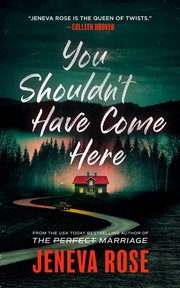
I went into You Shouldn't Have Come Here wanting a fast popcorn thriller for a weekend, the kind you finish on the couch with the lamp on. Jeneva Rose published it independently in 2023, and it found a big audience by word of mouth among thriller readers who like short chapters and sharp turns. The setup is simple and tempting. A young woman books a remote Airbnb on a Wyoming ranch to get away for a while, and the host is a little too attentive, a little too present. I read it in three gulps, mostly late at night, and I kept changing my mind about who to trust. That whiplash is exactly what the book sells.
The heroine, Grace, arrives tired in a way that has nothing to do with sleep. She has left city noise behind after a rough stretch with work and men and family pressure, hoping quiet skies and horse fences will reset her head. She books a small rental on a working ranch property, expecting privacy and long walks. What she finds is beautiful and slightly off. Wide land. Big sky. A house that is clean but personal, with notes from the host and rules that feel friendly until you reread them. Cell signal fades in and out. Neighbors are far. Nights are very dark. That mix of peace and exposure sets the mood for everything after. The ranch itself feels like a character that watches.
Calvin, the host, meets her early and stays close. He is a ranch man, handy and polite, the kind who fixes a stuck door before you finish asking. He lives nearby on the property, cares for animals, knows the roads and the weather and which gates to leave shut. He is handsome in a worn outdoors way and carries himself with a calm that Grace finds soothing at first. He brings firewood. He offers tips on where to eat and hike. He checks in by text more than most hosts would. At first that reads as small town kindness. Then it starts to read as interest. Then, depending on your tolerance, it starts to read as warning. Rose keeps him balanced on that line for a long while, and much of the fun is watching your own reaction shift page by page.
Grace is not a passive guest who waits to be rescued. She notices things. A lock that behaves oddly. A story about the property that changes slightly on retelling. A guest book entry that raises a question she cannot shake. She asks direct questions and watches faces when answers come. She also makes messy choices, which makes her feel human rather than a perfect victim. She drinks more than she plans. She flirts when lonely. She goes for drives alone without telling anyone. She stays when a careful friend might leave, because leaving would mean admitting the trip failed and going back to the life she fled. That stubbornness drives the middle. You want to shake her and you also get why she stays. The quiet is working on her even as fear builds.
The middle of the book runs on slow burn tension rather than big action. Days have a pattern. Morning coffee. A walk or a drive. A run in with Calvin while he mends fences or hauls feed. An evening inside with the doors locked and the wind loud. Small incidents pile up. A noise outside that could be cattle or could be steps. A text that arrives too fast after she mentions plans. A local who warns her lightly about staying out late, then laughs it off. A dinner invitation that feels both kind and loaded. Rose writes these beats in short chapters that end on hooks, so pages turn fast even when little explodes. I found myself reading one more chapter five times in a row. The dread comes from closeness, not distance. Grace and Calvin keep talking, keep circling, keep misreading each other in ways that feel charged.
Part of what keeps it moving is point of view. For much of the book we stay close to Grace, feeling her mix of attraction and alarm. Then Rose widens the lens and lets us sit with Calvin too, hearing his version of the same days. That second view reframes scenes you thought you understood. A helpful gesture looks different from inside his head. A silence you read as threat reads as shame or grief or plain awkwardness. A smile you trusted looks practiced. I do not want to spoil the exact arrangement, because the pleasure is in the reveal, but the dual telling is central. It asks you to notice how much thriller reading depends on who holds the camera. Change the holder and the same ranch looks like a different story.
Without giving away the turns, the last third moves faster and darker. Secrets about past guests surface. Secrets about Grace past sharpen. Secrets about Calvin family and service history and why he ended up alone on that land come out in pieces. Trust breaks, reforms, breaks again. There are confrontations in tight rooms and open fields, chases where knowledge of gates and barns matters, and choices made with shaking hands. Rose aims for the kind of twist that makes you flip back and reread earlier chats and glances. I did flip back. Some lines land differently once you know more. Some lines still feel slippery, which feeds arguments among readers about what was planned and what was impulse. The final pages push for shock and then for ache, trying to leave you unsettled rather than neatly relieved.
That unsettled aim mostly works, but fair criticism belongs here. The slow burn will test some readers. If you want bodies early and clues like puzzle pieces, the long stretch of dinners and drives and texts may feel padded. Grace makes choices that frustrate, staying solo in remote spots, trusting charm after red flags, hiding info from people who could help. You can explain those choices through loneliness and pride, and I mostly bought it, but there were two nights where I thought no real person would do this. Calvin behavior also swings in ways that serve the twist more than steady psychology. Attentive, then distant, then intense, then tender, in a rhythm that maps to plot needs. Readers who prize clean motive logic may find the late reveals clever but strained.
The side cast stays thin. Locals appear to deliver warnings or color, then fade. Fellow guests or past visitors are talked about more than seen, which keeps focus tight but makes the ranch feel emptier than a working place should. The prose is plain and fast, built for momentum rather than landscape poetry, so Wyoming beauty gets noted more than felt. A few twists rely on timing that must line up just right, a missed call here, an unlocked door there, and if you poke at those mechanics they wobble. None of that ruined my weekend read, but it kept me from fully buying the final moral weight Rose reaches for. Shock landed harder than sorrow.
Still, the book does several things well that explain its following. It captures Airbnb era unease perfectly, that odd intimacy of staying in someone space while a stranger holds the keys and the review power. It plays with modern dating scripts, texting cadence, polite deflection, the difficulty of saying no to helpful men without feeling rude. It gives both leads interior life instead of making one a pure threat and the other pure prey. Grace loves her family in complicated ways, wants work that matters, and carries grief that leaks into bad decisions. Calvin loves animals with real gentleness, works hard with his hands, and carries loss that curdled into control. Those textures keep pages turning when plot pauses.
A getaway that sours
Grace books the ranch stay to escape noise, not to find trouble. Early pages stress the relief of arrival, groceries in the fridge, quiet porch, stars thick enough to stare at. She sleeps better the first night than she has in months. Then small frictions start. Directions confuse. A gate sticks. The house makes sounds she cannot place. The host texts to ask if she settled in, which is nice, then texts again to suggest dinner, which is nicer but closer than expected. She says yes because company sounds good after lonely highways. That yes sets the pattern. Each kind offer brings comfort and a question. Is this hospitality or pursuit. She tells herself she is overthinking. Readers will argue about when overthinking stops being wrong.
Her backstory filters in through calls and memories. Work stress. A mother who worries loudly. Friends who mean well and give advice she half takes. A romantic past that left her wary but still hungry for attention. None of this is dumped at once. Rose slips it between ranch days, so Grace homesickness and hope make sense. She photographs sunsets. She journals. She tries to rest and finds rest hard when a handsome host keeps appearing with tools and smiles. The getaway that should heal starts to itch.
The host next door
Calvin runs the property with ease that impresses Grace. He feeds stock before dawn, fixes plumbing by noon, cooks simple food that tastes better than it should. He talks about land like family, knows which pasture floods, which horse bites, which road turns to mud after rain. He asks about Grace stay with care that feels personal. He remembers how she takes coffee. He notices when she skips meals. He offers to show her spots only locals know.
What complicates him is need. He is lonely in a way work does not fix. He lost people and carries it quietly until it slips out as bitterness or over care. He watches Grace a beat too long. He shows up a little too often. Then he pulls back like he heard himself. That push and pull could be decent man learning manners or warning signs of control, and Rose refuses to settle it early. His gentleness with animals is the book best misdirection. You see him calm a spooked horse and think no one this soft could harm. Then you remember soft hands can still hold too tight.
Tension in small hours
The middle nights carry the book. Grace locks up, checks windows, jumps at wind. She hears engines where none should be. She finds small things moved or used. She rereads texts for tone. She debates calling home and decides not to worry anyone. She accepts rides and invitations she half wants, then replays them for clues. Calvin tells stories that almost add up. A past guest who left early. A family rift. A stint away that taught him to value land. Each story invites sympathy and leaves a gap.
Rose paces this with short chapters and alternating closeness. A warm dinner where laughter feels real. A cold morning where a locked shed raises questions. A hike where Calvin knowledge thrills her. A drive where his questions pry. Grace attraction grows alongside fear, which some readers will dislike and others will find honest. Lonely people can want and worry at once. The book sits in that knot without looking away. It also shows how review culture shapes behavior. Grace censors herself because a bad review could hurt a host livelihood, and Calvin knows ratings matter. Politeness becomes a cage both polish daily.
Two views of the same days
When Calvin perspective opens, the same week tilts. Scenes you read as menace gain sad context. Scenes you read as sweet gain calculation. His grief feels raw from inside. His routines feel less like stalking and more like a man with too much time and too few people. But new gaps open too. He omits things Grace saw. He frames choices kindly that looked sharp from outside. The gap between his self story and her lived hour is where dread lives.
This is also where twist logic both shines and strains. Rereading helps. A line about a guest book, a remark about signal, a joke about locks, each picks up second meaning. That is satisfying. Yet a few hinges need exact timing to work, and motive shifts quickly in the final sprint. I bought the emotional turn more than the logistical chain. Love curdled into fixation explains tone. It explains every locked door less neatly. Readers who forgive thriller mechanics for speed will race on. Readers who stop to map timelines may pause.
Endgame on open land
The climax uses the ranch well. Barns, trucks, kitchens, pastures become tools and traps. Knowledge Calvin takes for granted becomes advantage Grace must outthink. Confrontations mix pleading and threat, with both leads saying true things in the worst moments. Past harms surface in blunt confessions rather than long speeches. Choices narrow to physical ones. Run or hide. Call or scream. Trust a half promise or break it. Rose keeps chapters very short here, which propels even when events stretch belief.
The resolution aims for gut punch over tidy justice. Some threads close hard. Some stay raw by design. Grace leaves changed in ways that feel costly rather than triumphant. Calvin story ends in a place that invites debate about sympathy and accountability. I closed the book thinking less about who fooled whom and more about how loneliness makes people misread care as safety. That aftertaste is stronger than any single shock.
What works and what strains
What works is pace, voice, and the central unease of paid hospitality turning personal. Short chapters fly. Grace reads as a real young woman, funny and frayed, not a puzzle piece. Calvin reads as human enough to keep you guessing. The Wyoming ranch setting gives fresh air to a setup often staged in city apartments or cabins. Themes about texting, reviews, solo travel as a woman, and polite refusal land without lectures.
What strains is logic under pressure and thin support. The slow middle will bore action first readers. Grace repeats risky patterns past the point of sympathy for some. Calvin motive wobbles where plot needs it to snap. Side figures serve function more than life. Prose rarely lingers, so emotional peaks pass fast. And the biggest turns, while fun to argue about, lean on coincidence and withheld info that can feel like sleight of hand on reread. If you want airtight fair play mystery, this may frustrate. If you want a fast, talky, slightly messy thriller about attraction and alarm sharing a porch, it delivers.
I would hand it to friends who liked fast indie thrillers with romantic static and moral gray, with a note to read it when home alone is fun rather than scary. Go in knowing the burn is slow, the leads make poor calls, and the twists prize shock over procedure. Lock your doors, charge your phone, and enjoy arguing afterward about when you should have known. I guessed half right and still felt caught, which for this kind of book counts as a win.
FAQ
When was You Shouldn't Have Come Here published?
Jeneva Rose published it independently in 2023 as a standalone slow burn thriller set at a Wyoming ranch stay.
Who are the main characters?
Grace, a young woman seeking quiet, and Calvin, the ranch host who lives nearby and stays closely involved.
How does the book build suspense?
Dual viewpoints reframe shared scenes, so helpful acts can read as care from one side and control from the other.
Similar books

The Woods
Twenty years after two teenagers were murdered and two vanished at summer camp, prosecutor Paul Copeland identifies a fresh corpse as one of the missing.
2,490-word summary · 11 min read

The Heiress
A missing heiress returns to claim a mansion full of letters and lies.
2,362-word summary · 10 min read
Fool Me Once
Widowed Maya sees murdered husband on nanny cam and digs into family lies.
2,104-word summary · 9 min read
The Perfect Marriage
A defense lawyer defends her husband accused of killing his mistress.
2,084-word summary · 9 min read

What She Knew
Rachel lets her eight-year-old son run ahead in a Bristol park, and the nine-day search turns her into a suspect in the public eye.
2,952-word summary · 13 min read

The Beach House
A young valet is beaten to death at a Hamptons party, and his law-student brother spends a year building a case against the family that covered it up.
2,049-word summary · 9 min read

Six Years
A professor who promised to forget the woman he loved sees her husband's obituary and discovers that the wedding, the marriage, and the woman herself may never…
2,076-word summary · 9 min read

Rules of Prey
Minneapolis detective Lucas Davenport hunts a killer who leaves a new rule at every scene and treats murder as a game of wits.
1,914-word summary · 9 min read

4th of July
Lindsay Boxer shoots two armed teenagers in self-defense, faces a wrongful-death trial, and spends her leave chasing a string of throat-slashing murders in…
2,192-word summary · 10 min read

61 Hours
A bus crash strands Jack Reacher in a snowbound South Dakota town where a drug gang, a corrupt police force, and a single witness are on a collision course.
2,227-word summary · 10 min read

Still Missing
A realtor is abducted at a Vancouver Island open house and held for more than a year. Told through therapy sessions, the novel follows her escape and the hunt…
2,466-word summary · 11 min read

Bad Luck and Trouble
A deposit of $1,030 summons Jack Reacher back to his old army unit, which is being picked off one name at a time.
2,366-word summary · 11 min read

3rd Degree
The third Women's Murder Club novel follows a San Francisco terror cell and a three-day killing schedule, and it costs the club a member.
2,685-word summary · 12 min read

Worth Dying For
Reacher stops for one night in rural Nebraska and finds a family that runs the county, a missing girl and a shipment worth killing for.
2,021-word summary · 9 min read

Tinker, Tailor, Soldier, Spy
Retired spymaster George Smiley is brought back to find a Soviet mole inside British intelligence, and the trail leads through old friends, old betrayals, and…
2,092-word summary · 9 min read

The Best of Friends
Three lifelong friends discover their teenage sons were hiding more than anyone knew after a night that leaves one dead, one in a coma and one silent.
2,040-word summary · 9 min read

Say You're Sorry
A widowed prosecutor defends the teenager accused of killing her babysitter, uncovering a small town's secrets and a killer hiding in plain sight.
2,116-word summary · 9 min read

Echo Burning
Reacher hitches a ride with a Texas woman who wants her abusive husband killed, then has to prove she did not murder him when he comes home.
2,209-word summary · 10 min read
The End of Her
A sleep-deprived mother of twins faces a stranger's accusation that her husband murdered his first wife in Shari Lapena's domestic suspense novel.
2,383-word summary · 11 min read

Girl, Forgotten
A rookie US marshal guards a judge with a stalker and ends up reopening the 1982 prom-night murder of the judge's pregnant daughter.
2,111-word summary · 9 min read
When No One Is Watching
Sydney Green watches her Brooklyn block's Black residents vanish one by one in Cole's Edgar-winning thriller about gentrification as a crime scene.
2,165-word summary · 10 min read

The Boy from the Woods
Wilde, found feral in a New Jersey forest in 1986, hunts for a missing teenager while a senator's secrets tear a wealthy town apart.
2,270-word summary · 10 min read
Without Fail
Reacher is asked to test vice presidential security by planning to kill.
2,084-word summary · 9 min read
Things We Do in the Dark
A comedian kills her husband, then a podcaster digs up her teen murder past.
2,427-word summary · 11 min read

The Widow
A widow of a suspected criminal faces reporters and police while hiding what her marriage really cost.
2,599-word summary · 12 min read

The Therapist
A couple moves to a gated street where the previous therapist was murdered in their house.
2,437-word summary · 11 min read
The Reappearance of Rachel Price
Bel films a doc when her missing mother walks back after years.
2,254-word summary · 10 min read
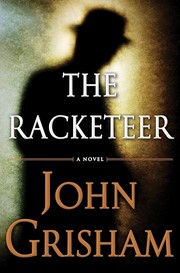
The Racketeer
A jailed lawyer trades a judge murder secret for freedom and revenge.
2,434-word summary · 11 min read
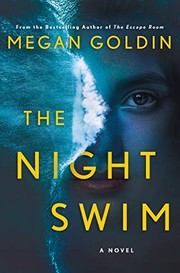
The Night Swim
A true crime podcaster covers a rape trial while probing an old drowning in a small town.
2,260-word summary · 10 min read
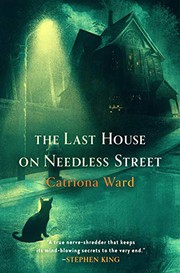
The Last House on Needless Street
A lonely man, a cat and a mysterious neighbor pull you into a house full of buried trauma.
2,627-word summary · 12 min read