

Saving 6
2,680-word summary 12 min read 623 pages in the book
- First published
- 2023
- Publisher
- Little, Brown
- Pages
- 623
- ISBN
- 9780349439280
- Series
- Boys of Tommen (#3)
Reading options
What's inside (10 sections)
I came to Saving 6 after reading the two Johnny and Shannon books, and it took me a while to settle into it. This is the third novel in the Boys of Tommen series, published in 2023, and the UK paperback runs 623 pages under the Piatkus imprint of Little, Brown. It is the first of two books about Joey Lynch and Aoife Molloy, with their story continuing in Redeeming 6. That matters, because this book ends in a place that feels deliberately unfinished. If you want a tidy arc that closes every door, you will probably be frustrated. If you are willing to sit with a story about a boy who cannot imagine a future and a girl who keeps trying to give him one, there is a lot here.
The book is set in the fictional Irish town of Ballylaggin and stretches across six school years, from 1999 into 2004. Walsh tells it in alternating chapters from Joey and Aoife, which lets her show the gap between what each of them says and what they actually feel. Joey is the younger brother of Shannon Lynch, the heroine of the earlier books, so readers of the series arrive already knowing something of the family. New readers can follow it fine. The important facts are all here: a violent father, a mother who cannot leave, a brother who walks out, and a house full of younger children who look to Joey to keep them safe.
The day Darren walked away
The opening scene is a first day at Ballylaggin Community School. Joey arrives with his older brother Darren, and he meets Aoife Molloy, a bold blond girl in a pink schoolbag who decides almost immediately that she is going to claim his attention. Their first exchange is teasing, the sort of sharp back and forth that will become the couple's private language for years. There is a spark, and Joey feels it, but the scene also has a shadow in it. He notices something strange in the way Darren says goodbye. His brother is gentle with him in a way he cannot explain, and then Darren is gone.
By November, Darren has left town, and Joey is the person standing between his younger siblings and their father. This is the wound the whole book grows out of. Joey reads Darren's departure as abandonment, even while he understands why someone would need to escape. The result is a boy who believes that leaving is the one unforgivable thing, and that staying, no matter what it costs, is the definition of love. That belief will drive nearly every bad decision he makes.
A bedroom door and a hurley
Teddy Lynch, the father, is an alcoholic former hurler whose authority in the house rests on fear. He can present himself as a respected local man in public, which makes the violence at home easy to hide. When he drinks, Joey barricades the bedroom door with furniture and gathers Tadhg, Ollie and Shannon under a duvet while their mother, Marie, is being hurt in another room. The children ask if she is all right. Joey says yes. He has learned that a child's calculation can be very precise: report the abuse and the children may be taken into care and split up, or stay quiet and keep the family together. He chooses the second option, every time.
He stands guard with a hurley, the stick used in the Irish sport he is genuinely gifted at. Hurling gives Joey something the rest of his life does not, a way to be good at something that other people can see. It also gives Teddy another way to mock him. After a lopsided victory, the father complains that Joey played without enough ruthlessness and mocks his thin frame. The boy who refuses to humiliate a weaker team is read as weak at home. That contrast runs through the book. Joey's decency is treated as a flaw by the one man whose approval he can never quite stop wanting.
Sleep is impossible when you are listening for a door to open, so Joey accepts cannabis from an older teenager named Shane Holland. It is the first step onto a path that will lead somewhere far worse. Walsh is careful about how she frames this. Drugs are not presented as rebellion or as glamour. They are a tool for quiet, a way to turn off the vigilance that keeps a frightened boy awake, and the relief comes with a trap attached.
The girl at the garage
Tony Molloy owns a garage and gives Joey evening work, teaching him about engines and paying him wages he can take home to his mother. It is the first stable adult relationship in Joey's life that is not built on fear. Tony trusts him with real tasks, and Joey's skill with machinery is one of the quiet proofs in the book that he is clever and patient, qualities school rarely rewards. His mother is struggling with money, and the wages matter.
Aoife is Tony's daughter. She turns up at the garage on Valentine's Day after pretending to be studying with her boyfriend, Paul Rice. Joey refuses to support the lie, then walks her home when Tony will not let her go alone. At her door she offers him cereal. He follows her inside, eats as if he has missed several meals, and ends up staying longer than he intended. The cereal scene is one of the small domestic moments that carry the relationship. Nothing dramatic happens. A hungry boy is fed by a girl who notices he is hungry, and neither of them knows quite what to do with that.
Aoife has her own reasons for being careful. Her parents' marriage has been damaged by her father's infidelity, and she has learned to treat emotional distance as a kind of insurance. Paul, a talented hurler from a wealthier and better connected family, feels predictable to her. She knows what to expect. Joey, sharp and funny and unpredictable, is the opposite of safe, and the fact that she keeps choosing him anyway is the slow burn of the book. Her twin brother Kevin is openly skeptical of him, her mother Trish is warm but stuck in a marriage Aoife has learned to distrust, and her best friend Casey offers the blunt, funny counsel that keeps Aoife honest.
Six years of almosts
The middle of the book covers years of near misses and misunderstandings, and it is both the best and most frustrating part. At the Halloween disco, Aoife is wearing an angel costume when Paul calls her a slut in front of other people and tries to drag her out. Joey steps in and asks her what she wants, which is a new experience for her. She ends the relationship, and they almost kiss outside the pavilion, but Shane turns up to collect Joey. That night Joey takes a dangerous mixture of drugs and is barely conscious when his mother goes into labor. He stays with her through the birth of his youngest brother Sean, even though he is in no state to be useful.
Aoife, watching all of this, sees Joey kissing another girl, Danielle Long, and goes back to Paul. It is not a romantic choice so much as a retreat from an attachment that scares her. Later, in detention, jealousy finally breaks out into an argument. Aoife admits she is jealous, Joey points out that she has spent years displaying Paul in front of him, and then he says something cruel about his own sexual history to push her away. She leaves in tears. They find their way back to friendship after a humiliating mishap that sends her into caretaker mode, which is its own kind of sadness. Even their reconciliation comes through crisis.
Two scenes lifted this section for me. The first is Joey's visit to his great-grandfather Anthony Murphy in hospital. The old man is dying of pneumonia, and he tells Joey that he chose the name Joseph over the name Joey's father wanted, because he believed the boy would grow into a protector and a caretaker. It is a gift of another story about himself, one built on gentleness rather than violence. The second is a Christmas Eve joyride. Aoife hands Joey her car keys even though he is only days from seventeen and holds a tractor licence. He drives them out of town, races through an empty car park, then lets Aoife practise changing gears while he guides her hands. They eat chips and listen to music in the parked car. He tells her that Paul feels safe because she always knows what to expect, and he challenges her to want more than comfort without admitting what he wants for himself. It is a beautiful, aching scene.
When the house stops pretending
Aoife eventually sees the Lynch home for herself. She brings Joey's forgotten schoolbag to the house and finds his father shouting at the children while Joey stands there bruised and bleeding. Joey tells her to leave. She refuses, says she knows his father is abusive and that Joey is not the same man, and kisses him in the rain. Classmates see it, so the private thing becomes public whether either of them is ready.
Paul confronts Joey outside the house and punches him. Joey hits back, Paul's older brother joins in, and Joey is badly beaten before the police arrive. He is arrested for assault. His father refuses to collect him or defend him and tells the officers to deal with their son. That refusal is one of the most brutal moments in the novel, because it confirms what Joey has always suspected about his place in the family. Aoife is the one who shows up. She ends things with Paul properly and tells Joey she wants him exclusively. He resists the label, fearing the trouble it could cause with Tony, who is both her father and his employer, but eventually agrees to try.
The dinner with the Molloys is the warmer counterpart to that fear. Aoife brings Joey home without warning him. He expects Tony to fire him, and instead tells the older man plainly that he loves Aoife and that he cannot picture a future because he cannot picture one for himself. Tony says the apprenticeship is still open and that he is proud of the young man Joey has become. It is a glimpse of a family where affection and ordinary hospitality can exist together. It does not cure Joey, of course. He leaves that table and goes back to the same house.
The promise that cannot fix it
Joey's drug use escalates through the second half of the book. After his father breaks Tadhg's nose, Joey calls Shane again. He arrives at school after using a powerful drug and starts bleeding from the nose in class. Aoife takes him to her bedroom, keeps him there until the effects pass, and asks him to try staying clean. He agrees, and neither of them mistakes the promise for a cure. This is the book at its most honest about what love can and cannot do. Aoife can witness his pain and offer him a reason to resist. She cannot do the work of getting him well.
Their physical relationship develops carefully. Aoife asks for slowness, panics on one occasion and changes her mind, and Joey stops without sulking or withdrawing. When she is ready later, he checks that she wants to continue. In a book full of force and entitlement from other men, that restraint is a quiet argument about what tenderness looks like. It does not make Joey a different person overnight, but it shows he is capable of separating desire from control.
Then the family crisis swallows the privacy they have built. On Halloween, Joey and Aoife are in his bedroom when his father hammers on the door and insults her, and Joey cannot ignore the threat. In December his father attacks his mother again, Joey fights him, and the neighbours call the police. Aoife waits outside the station all night and threatens to tell the Gardaí the full truth when he is released. Joey calls that a betrayal and walks away. His silence has kept his siblings together in his mind, and he experiences her intervention as the very abandonment he fears from everyone. He is suspended from school again after attacking a boy named Mike Maloney for hurting Shannon. The pattern is plain: every time he tries to protect someone with his fists, the world treats him as the problem.
The lowest point comes on Christmas Eve. On his eighteenth birthday Joey learns his mother is pregnant again, which means the younger children will depend on him for years more. He goes back to Shane and uses heroin. Aoife tracks him down and finds him unconscious with a syringe in his arm, and a dealer helps her get him into her car. The next morning he wakes beside her, tells her their relationship is toxic, and leaves because he believes separation is the only way to protect her. At home he finds the children's charity presents and discovers his mother spent his savings on his father's debts. He stays. He is legally an adult, but every route out of the house is blocked by somebody who needs him.
Space, not a cure
The ending is a conversation on New Year's Eve. Aoife has spent the week working, studying and crying. Joey has been through withdrawal and has tried to stay off the drugs. She drives to his house and finds him babysitting the younger children. The confrontation starts with anger. She tells him she is not okay, and she names the years of protection, compromise and love she has given him. He admits that he loves her but says he needs to clear his head before he can be near her.
They agree to take space, to see each other at school and to stop pretending their feelings have ended. Joey calls it an effort to fix himself. The book closes there, with no recovery montage and no promise. I admire that choice. A story like this could easily let a declaration of love stand in for treatment, or reward Aoife's loyalty with a cured boyfriend. Walsh refuses both. What Joey needs is not a girl who will never leave, although Aoife's willingness to stay is real. He needs a self that is not organised entirely around crisis, and the novel knows he is nowhere near building one yet.
It is also a long book, and the length is not always earned. The cycle of fight, relapse, rescue and withdrawal gathers a rhythm after a while, and the chapters where Aoife stays with Paul drag because you can see where they are going long before she does. Joey's secrecy is the whole point of his character, but being kept outside it for hundreds of pages can try the patience. Some of the violence lands very hard, and the book's warning about disturbing scenes is not decoration. This is new adult romance for mature readers, with abuse, addiction and sexual material handled directly.
What lingers
What I keep thinking about is the locked bedroom door. It starts as a barricade, a boy's desperate attempt to keep danger on the other side of a piece of furniture. By the end it has also been a place where somebody else walked in and saw him properly, and where he had to decide whether to let her. That shift, from hiding to being known, is the quiet story underneath the hurling and the fights and the long years of almost saying it. The last chapter gives them distance instead of an answer, which is the only honest ending available. Aoife gets to say that she is not okay, and Joey gets to say that he loves her without pretending that is enough. Neither of them is saved. Both of them are, at least, finally telling the truth.
FAQ
Is Saving 6 the third Boys of Tommen book?
Yes. It follows Binding 13 and Keeping 13 and is the first of two books for Joey and Aoife, with their story continued in Redeeming 6.
Do I need to read the earlier books first?
No. Shannon Lynch is Joey's sister and appears here, but all the facts you need about the Lynch family are given in this book.
Is this a complete romance with a happy ending?
No. Joey and Aoife admit their feelings but agree to take space, and his recovery is left open for the next book.
Similar books
More from Boys of Tommen first, then related titles.

Binding 13
Shy Shannon Lynch transfers to Tommen College for a fresh start and crosses paths with rugby star Johnny Kavanagh, sparking a slow friendship tested by injury,…
2,950-word summary · 13 min read

Keeping 13
Injured Johnny and hiding Shannon test first love against rehab pain and family secrets in Tommen.
2,052-word summary · 9 min read

Kiss the Sky
Rose Calloway signs her family up for a reality show to save her fashion line, and her old rival Connor Cobalt keeps pace.
2,178-word summary · 10 min read

Wrecked
A reckless Formula 1 driver meets the PR specialist hired to shadow him, and both are forced to face the grief they have been outrunning.
2,329-word summary · 10 min read
Second First Impressions
A risk-averse retirement-villa manager and the developer's tattooed son are thrown together at work, where her fear of the outside world meets his relentless…
2,073-word summary · 9 min read
Rachel's Holiday
Rachel Walsh calls her cocaine use recreational until an overdose and a stay at a Wicklow rehab clinic force her to hear what her family and boyfriend have…
2,792-word summary · 12 min read
Finding Audrey
A fourteen-year-old who cannot leave the house or remove her dark glasses finds her way back through therapy, a film project and a patient new friend.
2,559-word summary · 11 min read

Daydream
A bookish junior tutors a hockey captain in exchange for dating lessons, with one rule: do not fall in love. Daydream finally gives Henry Turner his own Maple…
2,611-word summary · 12 min read

Beautiful Oblivion
Cami tends bar and keeps her long distance boyfriend a secret, until a night at the Red Door puts Trenton Maddox in her way.
2,322-word summary · 10 min read

Ricochet
Lily Calloway tries to stay celibate for ninety days while Loren is in rehab, leaning on Rose, Connor, and Ryke as therapy forces her to face her childhood.
2,575-word summary · 11 min read
Under Locke
Iris Taylor moves to Austin broke and wary, takes a front-desk job at a tattoo shop, and spends the book learning that Dex Locke’s blunt cruelty and unexpected…
2,591-word summary · 12 min read

What the Wind Knows
Annie scatters her grandfather's ashes on Lough Gill and is pulled into 1921 Ireland, where she becomes the missing Anne Gallagher and falls for Dr. Thomas…
2,056-word summary · 9 min read

Collided
Sophie bets she can resist playboy Liam, then pit walls fall.
2,219-word summary · 10 min read


The Play
Briar U hockey star Hunter coaches quiet junior Demi in confidence and fake dating until real feelings break the plan.
3,080-word summary · 14 min read
Open
Tennis star Andre Agassi recalls hating tennis, falling to No. 141, and rebuilding his life on his own terms.
2,352-word summary · 10 min read
The Legacy
Four Briar hockey couples face weddings, proposals, and parenthood three years after graduation.
2,172-word summary · 10 min read

After Ever Happy
Tessa and Hardin face family truths and tragedy before wedding.
2,373-word summary · 11 min read
This Girl
Honeymoon retelling as Will recalls first love, classroom ban, loss, fights, and vows that stick.
2,526-word summary · 11 min read
The Silver Linings Playbook
A man leaves a mental facility sure his wife waits, then dance practice and hard truths reshape him.
2,981-word summary · 13 min read
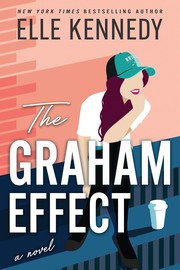
The Graham Effect
A hockey legacy and a sharp newcomer trade lessons, banter, and slow trust at Briar.
2,377-word summary · 11 min read

Addicted to You
Lily hides sex addiction and Lo hides drinking while faking love to fool their rich families.
2,064-word summary · 9 min read

The Risk
Brenna needs a fake boyfriend for an internship interview and picks rival star Jake, who wants real dates in return.
2,911-word summary · 13 min read
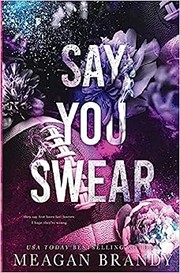
Say You Swear
Arianna Johnson heads to Avix University hung up on her brother's best friend, until steady quarterback Noah Riley forces her to rethink first love.
2,397-word summary · 11 min read
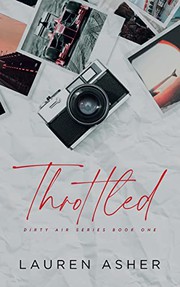
Throttled
F1 driver Noah hates his teammate son Maya, then hires her to fix his image and falls for her.
1,942-word summary · 9 min read

The Chase
Summer needs housing and gets stuck with hockey player Fitzy, who flirts while she grieves and grows.
1,920-word summary · 9 min read

Wildfire
Hockey goalie Russ Callaghan and bold Aurora Roberts reunite as camp counselors after a one-night stand in this Maple Hills summer romance.
2,931-word summary · 13 min read

The Goal
Sabrina plans for Harvard Law until an unexpected pregnancy ties her to steady hockey player Tucker.
3,201-word summary · 14 min read

The Score
Playboy Dean chases Allie, who wants a fresh start after a bad breakup.
2,700-word summary · 12 min read

The Mistake
Logan chases Grace for a second chance after one thoughtless night while graduation pressure builds.
2,363-word summary · 11 min read