
Reading options
What's inside (7 sections)
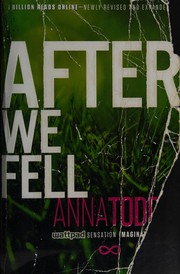
I came back to this series for a simple reason. Book two ended with Tessa's father walking back into her life, and I needed to know what she would do about it. The edition I cite was published in 2014 by Gallery Books, 837 pages with ISBN 9781476792507, listed as book three of the After series. It is the longest of the three so far, and you feel every extra chapter. Some of them earn their place. Plenty do not.
The setup is quick to restate. Tessa Young loves Hardin Scott and cannot live with him calmly. He is jealous, quick to anger, and sorry afterward in ways that used to be enough. She is stubborn, organized, and tired in a way that sleep does not fix. Book two closed with them patched up but thin, like a wall painted over a crack. This book presses on the crack until the wall gives.
Part of what kept me reading is knowing where this series came from. It began as Wattpad fanfiction that gathered around a billion reads online before Gallery Books picked it up, and you can still feel that origin in the pacing. Chapters end on jolts. Cliffhangers arrive on schedule. Book three has the hardest job of the set so far. It has to keep the central couple apart and together at once, pay off hints about Vance and Trish that have been sitting there since book one, and give Tessa a life outside Hardin that feels real enough to root for.
A father at the door
The story opens with Richard, Tessa's father, standing in need of help. He drank his family away years ago. Carol, Tessa's mother, threw him out when Tessa was small, and Tessa grew up hearing one version of that story. Now Richard is homeless and sick-looking, and Tessa brings him into the apartment she shares with Hardin.
Hardin hates this. He does not hide it. He offers Richard money to leave, which tells you most of what you need about how Hardin solves problems. Richard turns the money down. He says he wants to make amends, not to be paid off. Whether you believe him shifts from chapter to chapter, and Todd lets that doubt sit there without settling it too fast.
Tessa's reaction is the more interesting one. She has spent two books trying to control her world with schedules and cleaning and good grades. A father cannot be filed away. She buys him food. She finds him somewhere to sleep. She asks questions she spent years deciding not to ask. Carol is furious when she hears, and that fight between mother and daughter has real heat because both of them are partly right. Carol protected Tessa from a drunk. Tessa still gets to want a father. Their phone calls through the middle of the book are some of Todd's sharpest dialogue. Carol swings between worry and control, offering help with strings attached, and Tessa swings between gratitude and resentment, accepting the help and hating the strings. Nobody wins these calls. They just hang up and try again next week, which is how family estrangement actually works.
This stretch is the best part of the book. Richard is not a prop the way some side characters are. He is ashamed, he is funny in a worn-down way, and he keeps making small choices that make you wonder if he can hold a second chance. His presence also changes the apartment. Hardin sulks and provokes. Tessa defends her father and then doubts herself at night. The love triangle here is not between two boys. It is between Tessa's past and her present, and Hardin knows he is losing.
Seattle pulls one way, London the other
Under everything sits the geography problem. Tessa has a real chance at Vance Publishing, and the work points toward Seattle. Kimberly, Christian Vance's fiancee, practically rolls out the map for her. There is talk of a place to stay, of a job that could turn into a career, of a city where Tessa could be someone other than Hardin's girlfriend. For a character who has defined herself through school and plans, Seattle shines like a door with light behind it.
Hardin wants London. He talks about going after graduation as if it were already decided, and Tessa never quite agreed to that. Every conversation about the future bends around this. She mentions Seattle and he hears rejection. He mentions London and she hears a cage with better scenery. They are both twenty-ish and acting it, which is honest even when it is painful to read.
Work scenes give Tessa air. At Vance she is competent. She files, she edits, she runs packets between desks, she learns who to ask for what. Christian Vance is brisk and exacting, the kind of boss who notices mistakes and also notices when you fix them. Kimberly is warm without being soft. She gives Tessa coffee, plain advice, and once in a while a look that says she has seen this kind of boyfriend before. Trevor, the coworker from the Seattle trip in book two, is still around the edges, polite and steady, and his steadiness bothers Hardin more than any insult could.
Landon stays Tessa's closest friend through all of it. As Hardin's stepbrother, the son of Karen and the stepson of Ken, he lives inside both camps and belongs to neither fight. He listens to Tessa without pushing her. He absorbs Hardin's moods without excusing them. If the series has a character who behaves like an actual adult, it is Landon, and Todd seems to know it, because she keeps putting the hardest truths in his mouth and letting him say them gently.
The lake house weekend
About a third of the way in, the whole extended family piles into the lake house for a weekend. Ken and Karen host. Landon comes along. Tessa and Hardin arrive carrying every unsaid thing from the Seattle argument. For a few pages it almost works. There is swimming, there is food, Hardin is civil to his father in a way that would have been unthinkable in book one. You can see the family Tessa wishes she had, sitting around a table and passing dishes. Ken tries so hard it aches, asking Hardin questions and accepting short answers with a grateful nod. Karen mothers everyone at once, refilling plates and smoothing over silences. Watching them next to Tessa, who never had a stable table of her own, gives the weekend a charge the later fights cannot quite erase.
Then the old pattern returns wearing new clothes. Hardin runs into Lillian, an old friend, and Tessa watches them fall into easy talk. She goes tight and bright the way jealous people do. At dinner she flirts with Robert, the waiter, and pockets his phone number. Neither of them is innocent here and both of them keep score, which Todd writes with an uncomfortable accuracy. The fights are not about Lillian or Robert. They are about whether either of them believes the other will stay.
One reveal takes the sting out of half this section. Lillian turns out to be gay, so the threat Tessa built up in her head was never real. That should settle things. It does not, because the number Robert gave Tessa is still in her things when Hardin finds it, and the weekend ends early with slammed doors and a silent car. Todd understands something true about couples like this. The trigger changes. The argument stays the same.
There is also the journal. Tessa has been writing down what the relationship costs her, page after page of hurt she never says out loud. Hardin finds it and reads it. His shame when he faces her is one of the few moments where he seems fully honest with himself. He starts boxing around this point, trying to put his anger somewhere that is not Tessa. It helps for a while. A heavy bag does not argue back, and Hardin badly needs somewhere his temper is allowed to exist without hurting anyone.
Debts, doctors, and bad news
Richard's storyline darkens in the middle. Men he owes money to catch up with him and beat him badly. Hardin finds him wrecked and, to his credit, does not lecture. He hands over his watch to cover the debt. It is a genuine act of care from someone who claimed to want the man gone, and Tessa sees it. These small contradictions are why the book keeps working when the plot stalls. Hardin does kind things and cruel things in the same afternoon, and Tessa never knows which one to build on.
Tessa gets her own blow in a doctor's office. She goes in to talk about birth control and comes out with news about her cervix that may mean she can never carry a pregnancy. The scene is quiet and clinical, which makes it land harder than any shouting match. Tessa sits with it alone for a while. She thinks about mothers, about Carol, about Kimberly's pregnancy news arriving at exactly the wrong moment. When she tells Hardin, he says the right things, mostly. But the news settles between them like furniture in a small room. They keep walking around it.
Kimberly and Vance expecting a child matters more than it first seems. Their happiness throws Tessa and Hardin's mess into sharp relief. At dinners and office parties, Tessa watches Kimberly glow and Vance fuss, and you can feel her doing the math on her own life. Hardin watches too, and his reaction is harder to read. He wants a future with Tessa. He also keeps setting that future on fire to see if it burns.
The middle of this book is too long, and I will say that plainly. Fights start, peak, cool into apologies, and restart over something small. A reader who skimmed book two's repetitions will recognize the shape here. Todd has a gift for the reconciliation scene, all honesty and shaking hands and promises, and she uses it until it thins out. Around page five hundred I started flipping faster through the argument chapters and slowing down only when Richard or Landon or Kimberly entered the room. That division tells you where the book's real strength sits.
London and the secret that ends everything calm
The last act moves to London for Trish's wedding. Hardin's mother is marrying again, and Hardin agrees to attend with Tessa beside him. He wants to show her his hometown, his streets, the version of himself that existed before America. Parts of this are sweet. He relaxes in a way he never does at home. Tessa meets pieces of his past and likes some of them.
The night before the wedding ruins it. Hardin walks in on Trish with Christian Vance, and the scene that follows is ugly in the way only family scenes can be. Words get said that cannot be taken back. Trish still gets married the next day, because weddings go on even when families crack the night before, but the air never clears.
Then comes the reveal the whole series has been circling. Kimberly tells Tessa, and Vance tells Hardin, each in private: Christian Vance is Hardin's real father. Ken, the man Hardin spent years hating and then slowly forgiving, is not his biological father at all. Every reconciliation between Hardin and Ken now reads differently. Every kindness from Vance reads differently. Todd has seeded this for two books, through Vance's odd attention to Hardin and Trish's evasions, and the payoff hits because the clues were there.
Hardin bolts. He storms out of the bar and into the street, past caring who follows. Tessa goes after him and finds him, and they hold each other in the road while his whole history rearranges itself. Nothing is fixed. Nobody apologizes in a way that sticks. The book closes on that embrace, with book four waiting. Readers who wanted a clean ending will be annoyed. Readers who understand this series will recognize the rhythm. Every time Tessa and Hardin find solid ground, someone digs under it.
So who should read this one. If you finished book two and need to know what happens, this answers that, and the London chapters genuinely pay off long setups. If you want the couple to grow up, expect frustration, because growth here comes in inches and slides back by feet. The Richard scenes are worth the price on their own. The repeated fights are the tax. I closed the book late at night feeling wrung out and already reaching for the next one, which is probably exactly what Todd intended.
FAQ
When was After We Fell published?
It was first published in 2014 by Gallery Books. The trade paperback runs 837 pages with ISBN 9781476792507. It is book three of the After series.
Do Tessa and Hardin stay together in this book?
They are still together at the end but badly shaken. The news about Hardin's real father sends him storming off, and Tessa finds him in the street with nothing resolved. The story continues in After Ever Happy.
Is After We Fell appropriate for younger teens?
It is new adult fiction with sexual content, heavy drinking, and coarse language, so it suits older readers. The possessive fights and controlling behavior also make it a poor model for anyone looking for a healthy romance.
Similar books
More from After first, then related titles.

After We Collided
After Hardin's bet is exposed, Tessa leans on her Vance internship, but a drunken night in Seattle drags them back into jealous fights and fragile repair.
2,711-word summary · 12 min read
After Ever Happy
Tessa and Hardin face family truths and tragedy before wedding.
2,373-word summary · 11 min read
Rule
A tattoo artist still grieving his twin and the polished girl who has loved him since she was thirteen finally collide one drunken night in Denver.
2,014-word summary · 9 min read
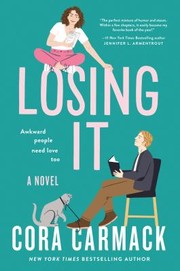
Losing It
Bliss plans a one-night stand, then finds her hookup is her professor.
2,195-word summary · 10 min read
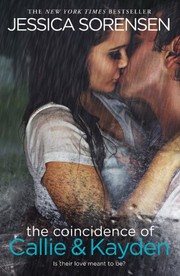
The Coincidence of Callie & Kayden
Callie saved Kayden in an alley and meets him again in college, where both must face assault and abuse to learn trust.
2,578-word summary · 11 min read

The Play
Briar U hockey star Hunter coaches quiet junior Demi in confidence and fake dating until real feelings break the plan.
3,080-word summary · 14 min read
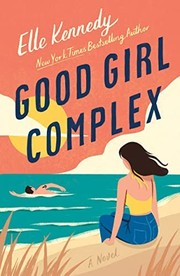
Good Girl Complex
A people-pleasing college girl moves to beach town Avalon Bay and falls for a local boy who distrusts her whole world.
2,225-word summary · 10 min read
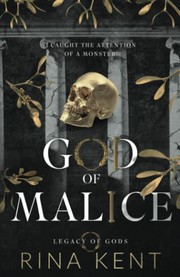
God of Malice
Rina Kent's God of Malice fully retold: Glyndon King, Killian Carson's fixation, secret societies, and the Devlin twist that resets everything.
2,849-word summary · 13 min read
Thoughtless
Kiera follows her boyfriend to Seattle and falls for her roommate, rock singer Kellan Kyle, in a messy love triangle about loyalty and desire.
2,997-word summary · 13 min read
The Legacy
Four Briar hockey couples face weddings, proposals, and parenthood three years after graduation.
2,172-word summary · 10 min read
The Graham Effect
A hockey legacy and a sharp newcomer trade lessons, banter, and slow trust at Briar.
2,377-word summary · 11 min read
Wait for You
Avery flees Texas for college to bury her past, but patient Cam Hamilton refuses to stay a stranger.
2,866-word summary · 13 min read
The Risk
Brenna needs a fake boyfriend for an internship interview and picks rival star Jake, who wants real dates in return.
2,911-word summary · 13 min read
Say You Swear
Arianna Johnson heads to Avix University hung up on her brother's best friend, until steady quarterback Noah Riley forces her to rethink first love.
2,397-word summary · 11 min read
Walking Disaster
Travis Maddox retells his bet with Abby from his side, from dorm fights to a Vegas wedding.
3,270-word summary · 15 min read
The Chase
Summer needs housing and gets stuck with hockey player Fitzy, who flirts while she grieves and grows.
1,920-word summary · 9 min read

Easy
A college freshman rebuilding after a breakup finds an unexpected bond with a tattooed classmate while facing a stalker.
2,364-word summary · 11 min read
The Goal
Sabrina plans for Harvard Law until an unexpected pregnancy ties her to steady hockey player Tucker.
3,201-word summary · 14 min read
The Score
Playboy Dean chases Allie, who wants a fresh start after a bad breakup.
2,700-word summary · 12 min read
The Mistake
Logan chases Grace for a second chance after one thoughtless night while graduation pressure builds.
2,363-word summary · 11 min read

The Deal
Hannah tutors hockey star Garrett in exchange for help getting another guy.
1,906-word summary · 8 min read
Beautiful Disaster
Good girl Abby makes a bet with bad boy Travis and ends up living in his apartment for a month.
1,963-word summary · 9 min read

Her Soul to Take
A paranormal vlogger in a cult-run town summons a bound demon, and the only way to survive the god beneath the mine is to give him her soul.
2,089-word summary · 9 min read

Lick
Evelyn wakes up married to the lead guitarist of Stage Dive after a Las Vegas birthday she cannot remember, and the annulment gets complicated.
1,989-word summary · 9 min read

Blood Bonds
Oleander is chained in a Resistance camp, and her five Bonds have to find her before Silas Davies finishes what he started in this third Bonds that Tie book.
2,018-word summary · 9 min read
The Unmaking of June Farrow
A woman in a North Carolina flower-farming family walks through a red door into 1951, where she must solve her mother's disappearance and decide whether to…
2,701-word summary · 12 min read
Ricochet
Lily Calloway tries to stay celibate for ninety days while Loren is in rehab, leaning on Rose, Connor, and Ryke as therapy forces her to face her childhood.
2,575-word summary · 11 min read
Under Locke
Iris Taylor moves to Austin broke and wary, takes a front-desk job at a tattoo shop, and spends the book learning that Dex Locke’s blunt cruelty and unexpected…
2,591-word summary · 12 min read
Reason to Breathe
Emma Thomas is a star student with a careful, invisible life at home. Evan Mathews notices the cracks, and the novel follows what happens when kindness gets…
2,197-word summary · 10 min read